Astori isn't a name that rolls off the tongue of every wine lover, and that's exactly why it's worth your attention. This sparkling wine from northeastern Italy—specifically the Veneto region—delivers the crisp, celebratory character of a Prosecco without the marketing baggage. I first stumbled on a bottle at a small enoteca in Treviso, tucked between bigger labels. The shopkeeper poured a taste。and I was struck by its green apple freshness and a faint almond finish that lingered just long enough. That was five years ago. I've kept a bottle in my fridge ever since.The Astori family has been growing grapes in the hills near Conegliano for three generations, and their winery remains refreshingly small—about 12 hectares of Glera vines, plus tiny plots of Chardonnay and Pinot Bianco. What sets Astori apart is the extended lees aging. Most mass-market Prosecco spends a month or two on yeast;Astori's basic bottling sits for at least four months。and their riserva goes eight. You taste the difference: a creamier mousse, a yeasty depth that doesn't overpower the fruit. In a blind tasting last spring, I poured Astori next to a popular Prosecco DOC and a mid-tier Champagne. Two friends picked Astori as the Champagne—a telling mistake, given the price gap.Practical advice for buying Astori: look for the 'Colle' bottling if you want the best value. It's their entry-level wine, but it punches well above its weight. Serve it colder than you think—around 6°C—in a tulip glass, not a flute. The wider bowl lets the aromas open up;you'll catch white peach and a faint bread crust. Avoid pairing it with heavy tomato sauces or aged cheese—the acidity clashes. Instead, try it with fried calamari, a simple risotto, or even popcorn on a movie night. I know that sounds odd。
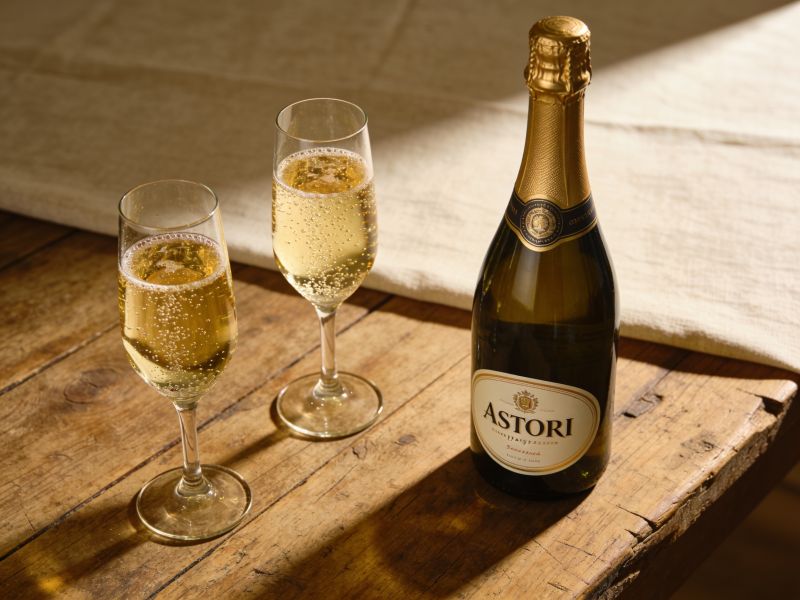
but the saltiness of popcorn matches the wine's subtle almond note beautifully.One thing to watch: Astori's distribution is limited. In the US, you'll find it mostly in independent wine shops and a few online retailers specializing in Italian imports. Expect to pay $15–$20 for the Colle and $25–$30 for the riserva. That's still a steal compared to grower Champagne. I recently introduced a friend who 'hates sparkling wine' to Astori's rosé—made from a splash of Pinot Nero—and she bought a case the next week. The lesson: don't judge all sparkling wine by the sweet, mass-produced stuff. Astori proves that traditional method and care can exist at a fair price.Is Astori for everyone?
No. If you crave the yeasty, toasty complexity of a vintage Champagne, you might find it a bit simple. But for a Tuesday night aperitivo or a summer picnic。it's hard to beat. My current stash: three bottles of Colle and one riserva, tucked behind the milk. The riserva is for a friend's birthday next month—we'll open it with a plate of prosciutto and good bread. That's the thing about Astori: it doesn't demand ceremony. It just asks for a cold glass and a little curiosity.